
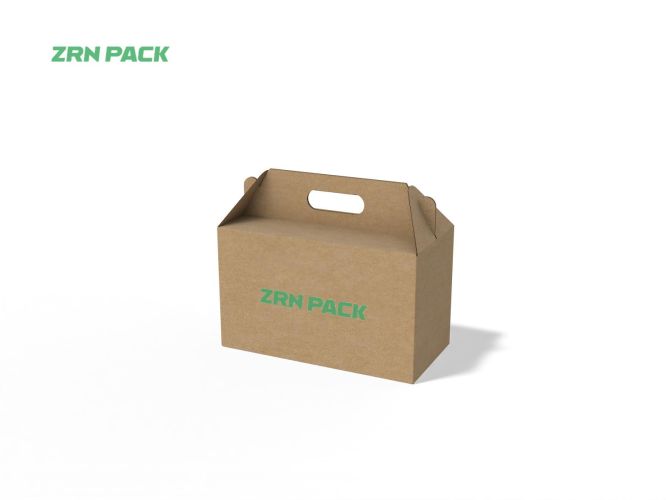
Your tuck end boxes look more “mystery grab bag” than “premium product,” and every time you open a new shipment, you wonder if the printer used crayons, guesswork, or both.
Choose better printing options and finishes—like coatings, foils, and spot UV—to sharpen colors, protect surfaces, and boost shelf appeal, as supported by this Smithers packaging print report.
📦 Understanding Tuck End Box Styles and Structural Design Choices
Tuck end boxes offer strong shelf presence, fast assembly, and secure closure. Brands can match structure, size, and opening style to product weight, display needs, and shipping conditions.
From simple straight tuck designs to complex shapes, smart structure supports both branding and protection. You can also choose hang tabs, windows, and inserts for better product display.
1. Straight Tuck End vs. Reverse Tuck End
Straight tuck boxes have both flaps on the same side, ideal for smooth front panels. Reverse tuck boxes place flaps on opposite sides for cost and material efficiency.
- Straight tuck: cleaner front, great for cosmetics and retail display
- Reverse tuck: budget-friendly, practical for light to medium items
2. One-Piece and Foldable Tuck Structures
One-piece tuck boxes ship flat and fold quickly. Foldable variants add extra creases for compact storage while still locking firmly during use.
- ZRN Customizable One-Piece Straight Fold & Reverse Tuck End Boxes – Paper Packaging
- ZRN Customized Paper Foldable Straight Tuck End Boxes – Reverse Standard Design
3. Specialty and Polygonal Tuck End Designs
Unique shapes help your product stand out. Triangle and polygonal tuck end boxes suit gift items, luxury products, and limited-edition launches.
- ZRN Polygonal Paper Box with Side Handle – Triangle Design
- Eye-catching geometry for premium shelf impact
4. Choosing Board Thickness and Insert Options
Select board thickness based on product weight and shipping risk. Add paperboard or molded inserts to hold fragile items in place and avoid damage.
| Product Type | Suggested Board |
|---|---|
| Light cosmetics | 250–300 gsm |
| Electronics | 300–400 gsm with insert |
🎨 Common Printing Methods for Custom Tuck End Packaging Graphics
Printing turns tuck end boxes into branded storytellers. The right method balances color strength, fine detail, and cost for both small and large runs.
Most brands mix processes, using high-quality base printing plus targeted embellishments for logos, patterns, and product information panels.
1. Offset Lithography for High-Volume Color Accuracy
Offset printing delivers sharp images, smooth gradients, and consistent color on every run, perfect for national retail and large-scale product lines.
- Best for: large orders, detailed images
- Supports Pantone and CMYK spot control
2. Digital Printing for Short Runs and Fast Tests
Digital printing supports small orders, quick color tests, and frequent artwork changes. It works well for seasonal boxes and market trials.
- No plate cost, faster setup
- Good for variable data and personalization
3. Flexographic Printing for Large, Simple Designs
Flexo printing suits high volumes with simpler graphics, such as solid colors and logos, especially when cost per unit must stay low.
| Method | Best Use |
|---|---|
| Flexo | Large runs, simple branding |
| Offset | Premium retail visuals |
4. Sample Bar Chart: Cost Comparison by Print Method
The following bar chart compares relative cost per unit across common print methods at medium volume.
✨ Premium Finishing Techniques: Foiling, Embossing, and Spot UV Highlights
Premium finishes give tuck end boxes a luxury feel. Smart use of foiling, embossing, and spot UV draws eyes and supports higher price points.
1. Foil Stamping for Metallic Highlights
Foil stamping adds metallic shine to logos, borders, and seals. Use it sparingly to mark key brand elements or limited editions.
- Gold, silver, rose gold, and custom colors
- Works best on smooth coated stocks
2. Embossing and Debossing for Tactile Detail
Embossing raises artwork above the surface, while debossing presses it in. Both add a rich, touchable feel to branding areas.
- Ideal for logos, taglines, and icons
- Pairs well with foil for extra impact
3. Spot UV for Glossy Contrast
Spot UV applies clear gloss only where needed, such as product names or patterns. It contrasts well with matte laminate backgrounds.
| Finish | Main Effect |
|---|---|
| Foil | Bright metallic shine |
| Emboss | Raised texture |
| Spot UV | Gloss contrast |
🛡️ Protective Coatings: Matte, Gloss, and Soft-Touch Lamination Options
Protective coatings shield print from scratches, moisture, and fading. They also control how your colors and textures appear on shelf.
1. Matte Lamination for Soft, Low-Glare Surfaces
Matte lamination softens reflections and delivers a refined, modern look. It is perfect for skincare, tech, and minimalist branding.
- Reduces fingerprints and glare
- Pairs well with spot UV and foil
2. Gloss Lamination for Bright, Vivid Colors
Gloss lamination makes colors look deeper and more vibrant. It works best for bold graphics, photos, and playful consumer products.
| Coating | Visual Effect |
|---|---|
| Gloss | High shine, strong color |
| Matte | Soft, premium look |
3. Soft-Touch Lamination for Velvet Feel
Soft-touch lamination adds a silky, rubber-like feel. This coating supports luxury branding and encourages customers to pick up the box.
- Enhances perceived value
- Works well with metallic foils
🏭 Why ZRN Packaging is Ideal for Tuck End Box Printing Needs
ZRN Packaging combines structural engineering, precise printing, and advanced finishes to deliver reliable, retail-ready tuck end boxes for many industries.
1. Full-Service Structural and Graphic Support
ZRN helps plan the right tuck style, board weight, and print layout. This support keeps your packaging both attractive and cost-efficient.
- Die-line development
- Artwork prepress checks
2. Scalable Production and Quality Control
From test runs to mass production, ZRN maintains color accuracy and cutting precision, ensuring every box looks and performs as planned.
- Color-matched reorders
- Consistent scoring and folding
3. Versatile Options for Different Markets
ZRN serves cosmetics, food, electronics, and gift brands with many shapes, coatings, and finishes, making it easy to match market demands.
| Segment | Focus |
|---|---|
| Beauty | Premium finishes |
| Food | Durable coatings |
Conclusion
Well-designed tuck end boxes combine strong structure, sharp printing, and refined finishing. Together, these elements protect products, express brand identity, and increase shelf appeal.
By choosing the right style, print method, and coating, you can create packaging that looks premium, ships safely, and supports higher customer trust.
Frequently Asked Questions about Tuck End Boxes
1. What is the main difference between straight and reverse tuck end boxes?
Straight tuck boxes have both opening flaps on the same side, giving a cleaner display front. Reverse tuck boxes place flaps on opposite sides, saving material and cost.
2. Which printing method should I choose for small orders?
For small or test runs, digital printing is usually best. It has low setup cost, supports quick artwork changes, and still delivers strong color quality.
3. How do I make my tuck end box look more premium?
Use matte or soft-touch lamination, then add selective foil stamping, embossing, or spot UV on key branding areas such as your logo or product name.
4. Are tuck end boxes strong enough for heavy products?
Yes, when you choose the right board thickness and use inserts. Heavier items may need thicker paperboard and custom inserts to secure them during shipping.

ZRN Packaging - Byron Lin
Meet Byron Lin, our Senior Packaging Specialist.