
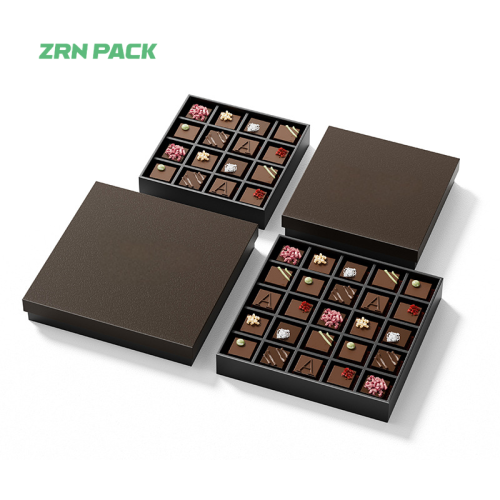
Your takeout bill feels bigger than your stomach, and you’re stuck wondering if paper boxes or plastic containers are secretly eating your profit faster than your customers eat lunch.
Compare real costs and impacts using data from this EPA plastics cost and waste report to choose smarter packaging.
📦 Cost breakdown: paper box food containers versus plastic containers
Comparing paper box food containers and plastic containers helps brands control unit cost, improve branding, and plan sustainable packaging budgets without hurting profit margins.
Below is a simple breakdown of direct and indirect costs that affect real pricing choices for takeout, bakeries, and food factories.
1. Unit price comparison per container
Paper boxes usually cost slightly more per unit than thin plastic, but the gap drops when you order higher volumes or use simple kraft designs.
| Container Type | Typical Unit Cost (USD) | Notes |
|---|---|---|
| Basic plastic clamshell | $0.03 – $0.06 | Low material cost, higher waste fees |
| Plain kraft paper box | $0.05 – $0.09 | Better branding, recyclable |
| Printed paper dessert box | $0.08 – $0.15 | Premium look, marketing value |
2. Branding and design value
Paper boxes act like mini billboards, adding marketing value that plastic rarely offers. Custom cookie boxes and festive designs can replace separate promotional spending.
- High-quality printing supports logo, story, and QR codes.
- Festive designs boost seasonal sales and gifting.
- Eco messaging improves customer loyalty.
3. Food safety and product fit
Both paper and plastic can meet food-grade standards, but paper boxes often protect delicate baked goods better and reduce damage loss during delivery.
- Rigid kraft boxes prevent cookie breakage and smearing.
- Vent options help control moisture for baked goods.
- Inner linings maintain grease resistance and hygiene.
4. Extra costs beyond the package price
Plastic may look cheaper on paper, but you must add rising waste disposal and possible green taxes. Paper can lower these hidden expenses over time.
- Lower landfill and incineration fees for paper.
- Better recycling rates in many regions.
- Reduced risk of future plastic bans and penalties.
🌱 Long-term savings from switching to paper box food packaging
Switching to paper packaging can reduce future waste fees, improve brand value, and support premium pricing, which together can offset slightly higher unit costs.
Many bakeries use eco-friendly paper cookie boxes and matching Multi-size spot colored paper bags to build a clear, green brand image.
1. Five-year cost trend: paper vs plastic
The chart below simulates a five-year total cost comparison for 100,000 food orders per year, including packaging and estimated waste fees.
2. Brand premium and repeat orders
Paper boxes with clear eco stories can justify higher menu prices and drive repeat purchases, especially for gifts, desserts, and special events.
| Item | Impact |
|---|---|
| Eco messaging on box | Improves trust and perceived quality |
| Custom design | Supports premium price and upselling |
| Seasonal themes | Boosts holiday and limited-time sales |
3. Savings from reduced product damage
Sturdy paper cookie and pastry boxes often cut product breakage and returns, which can save more money than the small unit price difference.
- Better stack strength during transit.
- Less crushing for soft bakery items.
- Fewer refunds due to damaged goods.
4. Case use: bakery and festive packaging
Bakeries use ZRN Eco-Friendly Bakery Kraft Cookie Boxes – Food Grade Custom Packaging and ZRN Color Printing Christmas Gingerbread Man Cookie Packaging Box – Festive Food Grade Box to replace plastic clamshells and gain marketing impact without large ad budgets.
- Unified design across boxes and bags strengthens brand image.
- Festive boxes drive impulse holiday purchases.
- Eco positioning attracts corporate and event orders.
🏭 Production cost factors influencing paper and plastic container prices
Production costs for paper and plastic depend on raw materials, energy use, printing, and finishing steps like coatings or windows.
Understanding these drivers helps you choose the right mix of strength, price, and appearance.
1. Raw material and energy inputs
Plastic relies on fossil-based resins with price swings. Paper uses pulp, which can include recycled fibers and often has more stable pricing.
| Factor | Plastic | Paper |
|---|---|---|
| Material source | Petrochemical | Wood / recycled fiber |
| Energy demand | High for molding | High for pulping, lower for forming |
| Price volatility | Often higher | Moderate |
2. Printing and customization costs
Plastic often needs labels or shrink sleeves. Paper prints directly on the surface, which lowers total branding cost and speeds production.
- Offset and flexo printing work well on kraft and white paper.
- Full-color art turns packaging into a marketing tool.
- Unit price drops sharply at higher print runs.
3. Finishing, coatings, and compliance
Both materials may use coatings to resist oil and moisture. Food-grade paper coatings add small costs but unlock more eco claims and safer contact.
- Water-based coatings reduce chemical risk.
- Grease-resistant layers protect baked goods.
- Certifications add value in export markets.
🚚 Transportation and storage expenses: paper box vs plastic containers
Transport and storage costs depend on weight, nesting ability, and how well containers protect products during long shipments.
Smart paper box design can match or beat plastic on logistics costs when flat-packed and assembled on-site.
1. Shipping weight and volume
Plastic is light but bulky. Flat-packed paper boxes ship tightly, which reduces freight cost per usable container.
| Metric (per 1,000 units) | Plastic | Paper (flat) |
|---|---|---|
| Approx. volume | High (pre-formed) | Low (flat stacks) |
| Freight cost impact | Higher per unit | Lower per unit |
2. Warehousing and space use
Flat paper boxes need much less shelf space than stacked plastic containers, freeing space for ingredients or finished goods.
- Higher storage density for flat cartons.
- Less need for extra racks or containers.
- Better stock rotation and inventory control.
3. Handling and assembly labor
Plastic comes ready to use but takes more room. Paper needs quick folding, but most bakery and food staff can assemble boxes in seconds.
- Simple auto-lock bases can cut folding time.
- Printed guides help staff fold correctly.
- Training time is low for standard designs.
♻️ Waste management fees and recycling costs of paper vs plastic packaging
Waste and recycling fees are rising, and many regions now charge more for non-recyclable plastic than for paper packaging.
Choosing recyclable paper can lower long-term waste bills and help you meet local regulations.
1. Landfill and incineration fees
Plastic that cannot be recycled usually goes to landfill or incineration, both of which often carry higher fees than paper waste streams.
| Waste Type | Relative Disposal Cost | Notes |
|---|---|---|
| Mixed plastic | High | Limited recycling in some regions |
| Clean paper / cardboard | Low–medium | Strong recycling markets |
2. Recycling rates and compliance
Paper boxes with simple coatings are widely accepted in recycling programs, helping businesses meet corporate and legal sustainability goals.
- Higher recycling rates than many plastic types.
- Supports ESG and CSR reporting claims.
- Reduces risk of non-compliance fines.
3. Customer perception and eco fees
As governments add eco fees to single-use plastics, brands using paper may avoid extra taxes and gain strong “green” recognition from customers.
- Lower chance of future plastic surcharges.
- Better fit with zero-waste and eco cafés.
- Helps win corporate catering and event contracts.
Conclusion
Paper box food containers often cost slightly more per unit than plastic, but they can lower transport, waste, and marketing costs while supporting eco goals.
When you factor in branding, recycling, and possible plastic fees, paper packaging can offer stronger long-term value and a cleaner, more modern brand image.
Frequently Asked Questions about paper box food container
1. Are paper box food containers really food safe?
Yes. Reputable suppliers use food-grade paper, inks, and coatings that meet local and international safety standards. Always ask for safety and compliance certificates.
2. Do paper boxes cost more than plastic for large orders?
At very high volumes, the price gap narrows sharply. When you add marketing value and lower waste fees, paper is often equal or cheaper over time.
3. Can paper food boxes handle oily or moist foods?
Modern paper boxes use grease-resistant and moisture-resistant coatings. They work well for cookies, pastries, and many hot or oily foods when correctly specified.
4. Are paper containers strong enough for delivery apps?
Yes. Well-designed paper boxes offer strong stack strength and edge crush resistance, which helps protect food during delivery and reduces product damage.
5. How do paper boxes improve my brand image?
Paper boxes support clear printing, eco messages, and custom designs. They help your packaging stand out and show that your brand cares about sustainability.

ZRN Packaging - Byron Lin
Meet Byron Lin, our Senior Packaging Specialist.