
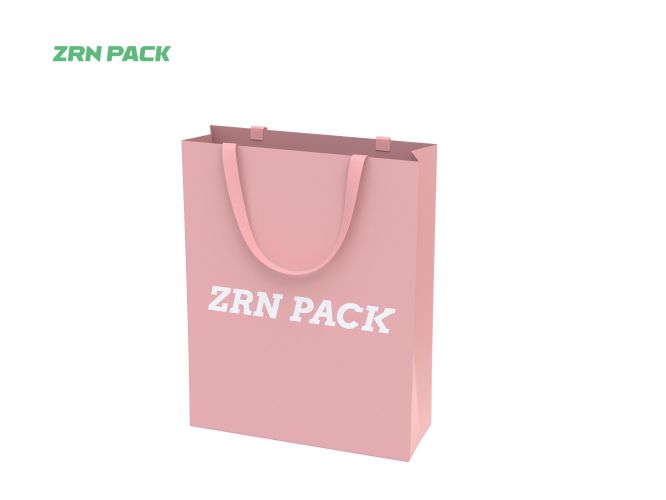
Ever tried stuffing a fat lunch into a skinny paper bag, only to watch it pop like a sitcom prop? Picking the wrong size turns simple packing into a daily episode of “Will it fit or will it rip?”
To fix this, measure your items, match height and width, then add a bit of wiggle room—just as packaging experts recommend in industry guidelines like this EPA report.
👜 Understanding common paper bag dimensions for different products and uses
Choosing the right paper bag size starts with knowing standard dimensions for food, retail, gifts, and e‑commerce. Proper sizing improves protection, branding, and user comfort.
Match your items to tested bag sizes instead of guessing. This reduces waste, cuts shipping costs, and keeps products looking neat and premium on arrival.
1. Food and takeaway paper bag sizes
Food bags need room for boxes and drink carriers while staying easy to carry and grease‑resistant.
- Small snacks: 15 × 8 × 21 cm
- Burger or lunch box: 22 × 12 × 25 cm
- Family meals: 30 × 17 × 30 cm
2. Retail and fashion product bag sizes
Clothing and accessories bags should allow gentle folding without crushing fabric or boxes.
| Use | Common Size (W×D×H) |
|---|---|
| Accessories | 18 × 8 × 20 cm |
| T‑shirts | 25 × 10 × 30 cm |
| Coats / shoes | 35 × 15 × 40 cm |
3. Gift and event paper bag sizes
Gift bags focus on look and balance. Choose slightly larger bags to fit tissue paper and ribbons.
- Small gifts: 16 × 8 × 20 cm
- Medium gifts: 24 × 10 × 28 cm
- Wine bottles: 12 × 9 × 36 cm
4. E‑commerce and delivery paper bag sizes
E‑commerce bags should suit flat, stackable packing and handle longer shipping journeys.
| Item Type | Ideal Bag Style |
|---|---|
| Flat items | Flat or light gusseted |
| Boxed sets | Box‑shaped with base |
| Mixed orders | Large gusseted |
📏 Measuring your items accurately to match ideal paper bag size
Correct measurements reduce damage, returns, and wasted packaging. Measure width, depth, height, and add clearance for wrapping, padding, or multiple pieces.
Always test with physical samples before bulk ordering to confirm fit, comfort, and stacking on shelves or in shipping cartons.
1. Basic steps to measure items
Use a ruler or tape to record three key dimensions, then add 2–4 cm per side for easy loading and removal.
- Width: left to right
- Depth: front to back
- Height: bottom to top
2. Allowing space for padding and extras
Bubble wrap, boxes, or tissue paper need extra room. Add at least 10–15% to total volume when items are fragile.
| Protection Level | Extra Volume |
|---|---|
| Light | 5–8% |
| Medium | 8–12% |
| High | 12–18% |
3. Comparing item volume to bag capacity
Estimate volume (width × depth × height) of items and bags. Choose a bag at least 15–20% larger than your item volume.
4. Testing sample fits before bulk orders
Order a small run of sample bags and test real products in them. Check fit, handle comfort, and stacking properties.
- Simulate peak order loads
- Check ease of opening and packing
- Review customer carry comfort
📐 Choosing between flat, gusseted, and box-shaped paper bags
The right shape balances strength, cost, and visual impact. Flat, gusseted, and box shapes each suit different product types and display goals.
Think about how the bag stands, stacks, and shows your logo in photos, stores, and events.
1. Flat paper bags
Flat bags work best for slim, light items like documents, cards, and flat food packs.
- Lowest material cost
- Easy to store and ship
- Best for mailers and quick service food
2. Gusseted paper bags
Side gussets expand to hold bulkier goods while folding flat for storage.
| Benefit | Detail |
|---|---|
| More capacity | Holds boxes and clothing |
| Brand space | Large front and back panels |
| Versatile | Retail, food, and gifts |
3. Box-shaped paper bags
Box bags have rigid bases for premium products, bottles, or heavy gift sets that need strong support.
- Stable square base
- Luxurious look with thick handles
- Ideal for high‑value branding
🎁 Designing for aesthetics: shape, proportions, and user experience
Bag size and shape affect how your brand feels. Balanced proportions make your logo clear, while comfort improves customer perception.
Match handle length, height, and width so the bag carries well without dragging or tipping forward.
1. Keeping brand logo visible
Pick sizes that leave clean space around your logo and text so printing stays readable.
- Avoid logos too close to edges
- Leave at least 1.5–2 cm margins
- Test dark and light ink options
2. Balancing height and width
A tall, narrow bag suits bottles; a wider bag fits apparel and boxes more naturally.
| Use | Best Proportion |
|---|---|
| Bottles | Tall and slim |
| Clothing | Wide and medium height |
| Gift sets | Boxy and deep |
3. Improving comfort and usability
Choose handle type and bag size that feel good in hand and support real‑world weight.
- Test with full product weight
- Check handle length for shoulder carry
- Avoid sharp edges and weak folds
🏷️ When in doubt, choose ZRN Packaging for reliable size recommendations
Professional support helps you avoid trial and error. ZRN analyzes your products and suggests ideal sizes, shapes, and handle options.
You get packaging that looks premium, protects items, and supports long‑term brand growth at scale.
1. Ready‑made retail and gift bag solutions
For boutiques and events, choose ZRN Customized Logo Kraft Paper Bags with Handles – Printed Shopping & Gift Bags to get durable, branded bags in proven retail sizes.
2. Colorful shopping bags for branding campaigns
When you need eye‑catching colors and flexible sizes, ZRN Colorful Reusable Paper Craft Shopping Bag with Handle – Custom Printed Logo supports strong visual impact and repeat use.
3. Special packaging for coffee and seasonal gifts
For compact, product‑specific bags, the ZRN Christmas Gift Coffee Packaging Bag – Custom Logo Recyclable offers a tight, efficient shape that protects aroma and looks festive.
Conclusion
Right paper bag size and shape protect your items, reduce costs, and strengthen your brand story. Measure carefully, compare volumes, and test real products in sample bags.
Flat, gusseted, and box shapes each serve different goals. When you need expert help, ZRN Packaging can guide you to the perfect, custom‑branded paper bag solution.
Frequently Asked Questions about custom design paper bag
1. How much bigger should a paper bag be than my product?
Plan for a bag that is about 15–20% larger in volume than your item, and add 2–4 cm clearance on each side for easy packing.
2. Which paper bag shape is best for clothing?
Wide, gusseted or box‑shaped bags work best for clothing. They allow gentle folding, protect fabric, and give space for a clear printed logo.
3. Can I use the same size bag for online orders and in‑store sales?
Often yes, but test both uses. Online orders may need extra height or depth for padding, while in‑store bags focus more on comfort and display.
4. What paper thickness should I choose for heavy items?
For heavy or premium products, choose thicker kraft paper, usually 150–250 gsm, with strong handles and reinforced bases to prevent tearing.
5. How do I know if my design will print well on a chosen bag size?
Ask for a digital proof or sample print on the exact bag size. Check logo clarity, color accuracy, and margin space before full production.

ZRN Packaging - Byron Lin
Meet Byron Lin, our Senior Packaging Specialist.