
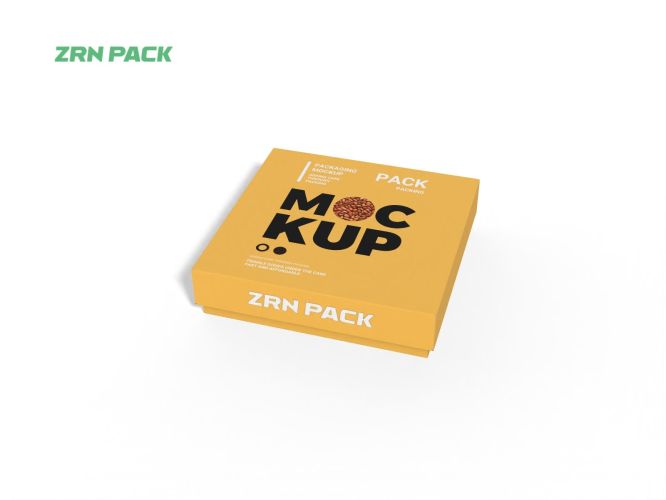
Your products deserve red-carpet packaging, but instead they’re squeezed into random boxes, buried in bubble wrap, and shipped out looking like they dressed in the dark.
This guide shows how custom two piece boxes fix that chaos, backed by McKinsey’s packaging impact research.
📦 Understanding Two Piece Box Structures, Styles, and Common Industry Terminology
Custom two piece boxes use a separate lid and base, giving brands premium shelf impact and secure protection for gifts, cookies, cosmetics, and luxury products.
Global buyers value these boxes for easy stacking, quick assembly, and flexible printing options that support both small boutique runs and large retail programs.
1. Basic Lid-and-Base Construction
The lid fits over the base, usually covering half or more of the height. This simple structure supports fast packing, strong branding, and safe global shipping.
- Common heights: full cover, half cover, or telescopic
- Ideal for: apparel, cosmetics, tech accessories, gift sets
- Works well with inserts, foam, or paper trays
2. Popular Style Variants
Two piece boxes include rigid gift boxes, foldable paperboard styles, and kraft options for eco-focused brands and food-grade bakery packaging projects.
- Rigid board for luxury look and strong feel
- Folding board for flat shipping and lower freight
- Kraft for natural and eco-focused branding
3. Key Industry Terms Buyers Should Know
Suppliers often use short terms. Understanding them helps you communicate faster and order the right structure and finish for your global markets.
| Term | Meaning |
|---|---|
| Rigid box | High-thickness board, non-folding |
| Base and lid | Two piece box body parts |
| Insert | Tray or holder inside the box |
| CMYK | Standard full-color printing mode |
4. Typical Uses in Food and Gift Packaging
From holiday cookie sets to premium gifts, two piece boxes can be food-safe and fully branded, supporting seasonal promotions and long-term brand loyalty.
- Festive treats: see ZRN Color Printing Christmas Gingerbread Man Cookie Packaging Box – Festive Food Grade Box
- Gift sets and holiday bundles: ZRN Custom Paper Packaging Base and Lid – Holiday Gift Set Box
- Daily bakery and pastry lines: ZRN Eco-Friendly Bakery Kraft Cookie Boxes – Food Grade Custom Packaging
🌍 Key Size, Material, and Durability Requirements for Global Shipping
Export buyers must balance product protection, shipping weight, and box size to meet courier limits and avoid freight and damage cost increases.
Proper board thickness, compression strength, and smart inner packing keep two piece boxes safe during long journeys and frequent handling across borders.
1. Choosing the Right Size for Transport
Measure your product, add space for padding, and align with express and air freight size brackets to avoid extra volumetric charges.
| Product Type | Suggested Clearance |
|---|---|
| Cosmetics | 3–5 mm each side |
| Glassware | 10–15 mm each side |
| Cookies & snacks | 8–12 mm each side |
2. Material Options and Strength Levels
Common choices include 1.5–2.5 mm greyboard for rigid boxes, plus different paper liners like art paper, kraft, or specialty textured paper.
- 1.5–2.0 mm: light gifts and cosmetics
- 2.0–2.5 mm: heavier glass, candles, electronics
- Kraft liner: better tear resistance and natural look
3. Durability and Compression Requirements
Boxes in export cartons must resist stacking pressure. Ask your supplier about edge crush test values and recommended maximum stacking height.
- Use stronger board for tall pallets
- Reinforce corners for heavier items
- Use inserts to share load between products
4. Regulatory and Climate Considerations
Plan for humidity, temperature changes, and regional rules for food contact, recycling logos, and any required shipping or barcode labels.
| Region | Key Focus |
|---|---|
| EU | Recycling marks, food-contact compliance |
| USA | Label clarity, barcode, safety claims |
| APAC | Humidity resistance, compact carton size |
🎨 Custom Printing, Color Matching, and Finishing Options for Two Piece Boxes
Strong brand impact comes from careful color control, clear graphics, and the right surface finish for your target market and price level.
Global buyers should request color proofs and define finishing early to keep schedules and budgets under control.
1. Printing Methods and Color Control
Most custom two piece boxes use offset CMYK printing, with optional Pantone spot colors for strict logo shades and metallic effects.
- Offset for high detail and large runs
- Digital for small test orders or fast launches
- Pantone matching for stable brand colors
2. Common Surface Finishes
Finishing affects both look and durability. It also changes how colors appear, so always confirm samples under normal store lighting.
| Finish | Effect |
|---|---|
| Matte lamination | Soft touch, less glare |
| Gloss lamination | Bright, stronger color pop |
| Soft-touch | Premium, velvet-like touch |
3. Value-Added Decoration for Premium Lines
Foil, embossing, and spot UV highlight key brand elements and support higher retail prices with a luxury unboxing experience.
- Foil stamping for logos or seals
- Emboss/deboss for tactile branding
- Spot UV to draw the eye to key areas
🧪 Quality Control, Safety Standards, and Testing Methods for Reliable Packaging
Clear test standards reduce risk of damage, complaints, and returns, especially for food, cosmetics, and fragile items shipped worldwide.
Align quality expectations in writing to keep factory, brand, and logistics partners on the same page from sampling to final delivery.
1. Incoming and In-Process Quality Checks
Factories should inspect raw paper, print quality, cutting, and gluing. Buyers can request shared reports and retain reference samples.
- Check color difference versus approved proof
- Test lid fit and box squareness
- Confirm glue strength and clean edges
2. Safety and Food-Contact Requirements
For food and direct-contact packaging, ask for documentation on inks, coatings, migration tests, and compliance with your market’s regulations.
| Item | What to Confirm |
|---|---|
| Ink | Low-odor, food-safe where needed |
| Coating | Non-toxic, suitable for use |
| Paper | Food-grade if contact is possible |
3. Mechanical and Transport Testing
Simple tests like drop tests and stacking simulations help predict real transport conditions and confirm that inserts protect products as planned.
- Drop tests from typical handling heights
- Stack boxes to check deformation
- Shake test for fragile and glass items
🏭 Working With ZRN Packaging for Design, Sampling, and Large-Volume Production
ZRN Packaging supports custom two piece boxes from idea to mass production, including structural design, printing advice, and logistics-friendly packaging solutions.
Buyers can start with drawings or physical samples, then refine structure, artwork, and unit cost based on target markets and sales channels.
1. Design and Engineering Support
Share product size, weight, and branding goals. ZRN recommends board thickness, inserts, and printing methods to balance cost and protection.
- 3D drawings and dielines for artwork
- Advice on shipping efficiency
- Options for eco-focused materials
2. Sampling and Pre-Production Approval
Color-accurate samples let you test fit, protection, and shelf appeal before approving full production for global rollouts or seasonal campaigns.
| Stage | Buyer Focus |
|---|---|
| White dummy | Size and structure |
| Printed sample | Color and finish |
| PPS | Final confirmation before mass run |
3. Scaling to Mass Production and Global Delivery
Once approved, ZRN manages production schedules, packaging of finished boxes, export cartons, and shipping plans for your warehouses or 3PL partners.
- Clear lead times by order volume
- Support for FOB, CIF, or other terms
- Regular updates and QC reports
Conclusion
Custom two piece boxes give brands a strong tool for protection, branding, and user experience across food, beauty, and gift categories.
By aligning design, materials, and testing with global shipping needs, buyers can cut risk and launch products faster with reliable packaging partners.
Frequently Asked Questions about custom two piece boxes
1. What information do I need to get an accurate quote?
Share box size, product weight, order quantity, printing needs, finishing options, and your target market or shipping method for precise pricing.
2. How long does sampling and production usually take?
Structural and printed samples often take 7–10 days. Mass production usually needs 15–30 days after sample approval, depending on order size.
3. Can two piece boxes be fully recyclable and eco-friendly?
Yes. Use FSC or recycled board, water-based inks, and avoid plastic windows or foams. Ask your supplier to confirm local recyclability rules.
4. How do I make sure colors match my brand guidelines?
Provide Pantone codes, vector artwork, and physical color references if possible. Always approve printed samples or wet proofs before full production.
5. What is the minimum order quantity for custom two piece boxes?
MOQs vary by structure and material, but many factories start around 500–1000 units. Digital printing can support smaller trial runs.

ZRN Packaging - Byron Lin
Meet Byron Lin, our Senior Packaging Specialist.