
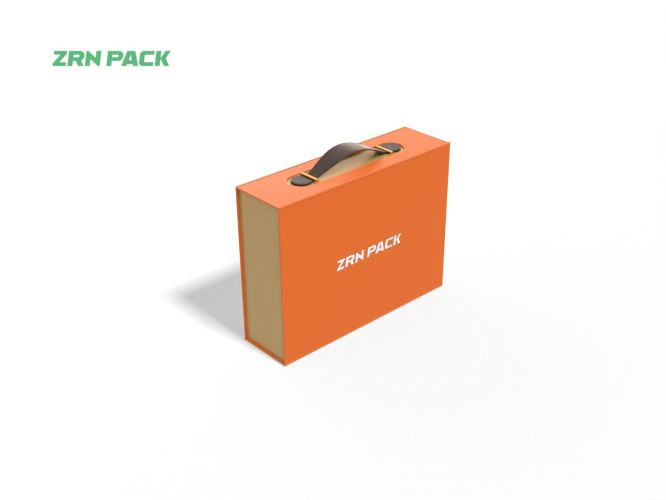
Your brain says “dovetail for life,” but your drill keeps whispering “dowels are faster,” and now you’re staring at drawer parts like they’re a relationship quiz you never studied for.
Relax—compare strength, skill level, and time. This Fine Woodworking drawer joint test helps you pick the right joint with confidence.
🪚 Structural Differences Between Dovetail and Dowell Drawer Box Joints
Dovetail and dowell joints both connect drawer sides and fronts, but they lock wood in very different ways. Knowing these basics helps you match joint style to use.
Dovetails use interlocking “tails and pins,” while dowell joints rely on round pins and glue. Each method affects strength, speed of production, and final look.
1. How Dovetail Joints Lock the Drawer Corners
Dovetail joints cut wedge-shaped pins and tails that hook together at the drawer corners. This mechanical lock resists pulling forces, even if glue weakens over time.
- Ideal for solid wood drawer boxes
- Visible joint pattern along the sides
- Often used in fine furniture and heirloom pieces
2. How Dowell Joints Connect Panels
Dowell joints drill matching holes in the drawer front and side, then insert round wood pins with glue. The pins create hidden reinforcement along the joint line.
- Smooth, clean outer surface
- Works well with solid wood and composites
- Fast and repeatable for mass production
3. Tools and Skill Level Needed
Dovetail joints often need careful layout or a router jig, while dowell joints rely more on accurate drilling and simple clamping pressure.
| Joint Type | Skill Level | Setup Time |
|---|---|---|
| Dovetail | Intermediate–Advanced | Higher |
| Dowell | Beginner–Intermediate | Lower |
4. Cost and Production Considerations
Dovetail joints typically raise labor cost but add strong marketing value. Dowell joints cut build time and suit large runs of gift or product packaging drawers.
- Dovetail: higher labor, premium image
- Dowell: lower labor, scalable production
📏 Strength, Durability, and Load-Bearing Performance in Everyday Drawer Use
Both joints can support daily opening and heavy loads when built well. Still, each offers a different balance of long-term strength, stability, and repair needs.
For storage drawers, kitchen cabinets, or luxury packaging, the joint must stay tight under weight, impact, and repeated sliding in and out.
1. Comparative Load Capacity
Dovetail joints often outperform dowell joints under high pulling forces, while good dowel placement still carries strong vertical loads for most home or retail drawers.
2. Resistance to Wear and Loosening
Dovetails resist loosening because the angled faces constantly press together. Dowell joints depend more on glue bond and accurate, snug drilling.
- Dovetail: strong even after decades
- Dowell: durable with good glue and fit
3. Performance in Humid or Changing Climates
Both joints move with wood expansion. Dovetails distribute stress across many faces, while dowels focus stress around each pin and hole.
| Condition | Dovetail | Dowell |
|---|---|---|
| High Humidity | Very stable | Stable if glue and finish are good |
| Frequent Use | Excellent | Good–Very good |
4. Maintenance and Repair
Dovetail drawers can often be reglued without full rebuild, while loose dowels may need hole repairs or replacement panels for lasting strength.
- Dovetail: easier to reglue and clamp
- Dowell: may require drilling and new dowels
🎯 Aesthetics, Craftsmanship Style, and Design Flexibility of Each Joint Type
Joint choice also shapes the visual story of your drawer, from visible craftsmanship to clean, minimal surfaces suited to modern packaging or cabinetry.
1. Visible Dovetail Beauty
Exposed dovetail pins and tails signal handcraft and skill. Many brands leave them visible on solid wood drawer sides as a premium design feature.
- Classic, traditional look
- Pairs well with natural finishes
- Strong branding cue for quality
2. Clean, Minimal Dowell Appearance
Dowell joints stay hidden, so drawer faces and sides look flat and simple. This suits printed, wrapped, or laminated surfaces in luxury paper drawer boxes.
- Ideal for modern, minimal designs
- No exposed joinery lines
- Great for bold colors and graphics
3. Flexibility in Shapes and Materials
Dowell joints often adapt better to thin panels and engineered substrates, while dovetails stay focused on thicker, solid wood drawer box construction.
| Material | Dovetail | Dowell |
|---|---|---|
| Solid Wood | Excellent | Excellent |
| MDF / Paperboard | Limited | Very good |
🧰 Ideal Applications: When to Choose Dovetail vs Dowell Construction Methods
Match joint type to how the drawer will be used, the loads it must carry, and the visual message you want your furniture or packaging to send.
1. Best Uses for Dovetail Drawer Boxes
Choose dovetail joints for heirloom furniture, high-end kitchen cabinets, and solid wood storage where maximum life and visible craftsmanship truly matter.
- Fine residential cabinetry
- Premium furniture drawers
- Heavy-load storage applications
2. Best Uses for Dowell-Based Drawer Construction
Dowell joints shine in large production runs, retail displays, and branded packaging where clean faces and speed of assembly are more important than exposed joinery.
- Gift and product packaging drawers
- Modern office and wardrobe systems
- Cost-sensitive cabinet lines
3. Balancing Budget, Brand, and Performance
Consider budget, expected lifespan, and brand image. Some programs mix dovetail for flagship lines and dowell joints for value or high-volume series.
| Priority | Recommended Joint |
|---|---|
| Maximum prestige | Dovetail |
| Speed and cost control | Dowell |
| Hybrid range | Use both, per product tier |
🏆 Why ZRN Packaging Drawer Boxes Are a Reliable Joint-Quality Benchmark
ZRN packaging drawer boxes use precise construction and strict quality checks, giving brands a trusted reference for joint strength, alignment, and visual finish.
1. Precision-Built Paper and Cardboard Drawer Structures
ZRN optimizes fold lines, glue areas, and internal supports so paper and cardboard drawers perform consistently, much like well-designed wood joints.
- Accurate fit between outer shell and inner tray
- Stable, smooth sliding motion
- Reliable corner integrity in transit
2. Joint Integrity Across Different Product Lines
From jewelry packaging to larger storage boxes, ZRN keeps joint quality consistent. This turns every drawer into a repeatable, brand-safe unboxing experience.
- Custom Paper Jewelry Drawer Boxes for Gift Packaging
- ZRN Recyclable Customized Color Printed Gift Box – Portable Handheld & Personalized
- ZRN Custom Logo Rigid Luxury Paper Drawer Box – Durable Storage Packaging
3. Translating Woodworking Standards to Packaging
ZRN borrows standards from cabinetmaking—tight tolerances, strong corners, and stress-tested structures—to build drawer boxes that protect products and highlight premium brands.
| Quality Focus | Benefit for Brands |
|---|---|
| Strong joint design | Reduced damage in shipping |
| Clean, aligned edges | High perceived product value |
Conclusion
Dovetail joints shine when you want visible strength and tradition in solid wood drawers. They resist pulling forces and give furniture a clear premium signal.
Dowell joints suit modern, smooth-faced drawers and scalable production. By comparing both, you can choose the best joint style for cabinets, furniture, or packaging.
Frequently Asked Questions about custom cabinet drawer boxes
1. Are dovetail drawer boxes always better than dowell drawer boxes?
No. Dovetails are stronger in many cases, but well-made dowell drawers can be more than strong enough and cost less to produce.
2. Which joint type is best for heavy kitchen drawers?
For very heavy kitchen or pantry drawers, dovetail construction is often preferred because it handles repeated pulls and weight over many years.
3. Can dowell drawer boxes still feel high-end?
Yes. With quality materials, accurate drilling, and good hardware, dowell drawers can feel smooth, quiet, and premium in daily use.
4. Do joint types matter for paper or cardboard drawer packaging?
The idea of joint quality still matters. In packaging, strong folds, glue areas, and board choice act like “joints” that protect and present your product.

ZRN Packaging - Byron Lin
Meet Byron Lin, our Senior Packaging Specialist.