
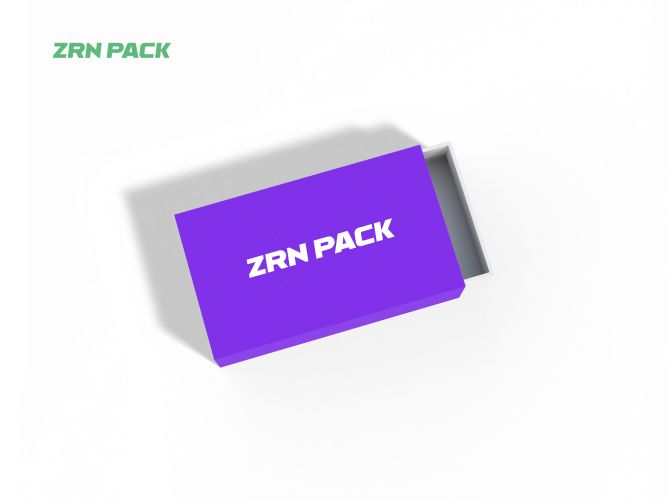
Your drawers look like a wild jungle: socks escape, utensils fight, and nothing fits quite right. Custom size drawer boxes sound great, but global buying, sizing charts, and shipping rules turn one neat idea into a full-blown headache.
This guide solves that chaos by explaining measurements, materials, and standards in simple steps, so you can order boxes that actually fit. Backed by global packaging trends from this McKinsey report, you’ll buy smarter, avoid waste, and finally close every drawer smoothly.
📦 Understanding Custom Size Drawer Boxes: Structures, Terms, and Key Components
Custom size drawer boxes help brands fit products precisely, reduce damage, and improve unboxing. Knowing the basic structures and terms makes global sourcing faster and easier.
By understanding sleeves, trays, pullers, and covers, buyers can brief factories clearly, compare quotes correctly, and avoid costly size or structure mistakes.
1. Common Drawer Box Structures
Most custom drawer boxes use a sleeve-and-tray system, where the inner tray slides out. This design protects products and supports smooth, premium unboxing experiences.
- Single drawer: one tray, ideal for jewelry or small gifts.
- Double drawer: two trays, used for sets or bundles.
- Side-pull sleeve: open from one side with ribbon or cutout.
- Full-cover sleeve: both ends closed for added protection.
2. Key Technical Terms to Know
Use clear terms when talking with suppliers so samples and mass production match your expectations and brand needs.
| Term | Simple Meaning |
|---|---|
| Outer sleeve | Outside shell that holds the drawer tray. |
| Inner tray | Sliding box that carries the product. |
| Puller | Ribbon, hole, or handle used to open the drawer. |
| Insert | Paper, foam, or card that holds items in place. |
3. Functional Components That Matter
Every part of a drawer box should support both protection and branding while keeping user experience simple and smooth.
- Reinforced sides to resist crush during shipping.
- Tight but smooth sliding action for the tray.
- Finger notch or ribbon for easy opening.
- Accurate insert cutouts to stop product movement.
4. Matching Structure to Product Category
Different products need different structures. Proper matching helps reduce cost while keeping a high-end look and feel.
- Jewelry and trinkets: small rigid drawer with velvet or card insert.
- Electronics: thick rigid board, foam insert, stronger sleeve.
- Gifts and retail sets: mid-thickness card with printed sleeve.
- Luxury storage: rigid box with strong corners and lamination.
📏 Measuring Products Correctly: Length, Width, Height, and Internal Space Planning
Correct measurements are the base of custom size drawer boxes. Always measure the product, plus any inner bag or case, before giving sizes.
Plan inner space for inserts, manuals, and accessories so everything fits cleanly without pressure or wasted room.
1. How to Measure L × W × H for Drawer Boxes
Measure the product’s longest side as length, the shorter side as width, and the vertical side as height, then add clearance for easy placement.
- Add 2–4 mm per side for comfortable fit.
- Check size with any pouch, tray, or sleeve on the product.
- Confirm if the supplier uses internal or external size.
- Ask for a dieline to double-check measurements.
2. Internal vs External Dimensions
Confusing inner and outer sizes can cause fitting issues. Always confirm which standard your supplier follows in drawings and contracts.
| Type | What It Means | Used For |
|---|---|---|
| Internal size | Usable space inside the tray | Product and insert fitting |
| External size | Size including wall thickness | Shipping, shelf space, master cartons |
3. Sample Size Planning with Data Insight
You can test different box sizes to find a balance between fit, cost, and protection. Use simple data checks before final approval.
4. Space for Inserts, Manuals, and Add-ons
Plan room for accessories like manuals, cables, or cards so users see a neat layout instead of crowded items.
- Use layered inserts for multiple items.
- Add a top card slot for leaflets or thank-you notes.
- Keep at least 1–2 mm gap above products.
- Test packing with real products before mass order.
🎨 Design Options: Materials, Printing Effects, Inserts, and Finishing Techniques
Design choices affect brand impact, shipping safety, and cost. Mix the right material, print, and insert style to fit your market and budget.
1. Choosing Materials and Board Thickness
Common options include rigid grey board, coated paperboard, and kraft paper. Each supports different strength levels and brand styles.
| Material | Look | Best For |
|---|---|---|
| Rigid grey board | Thick, strong | Luxury and heavy products |
| Coated paperboard | Smooth, printable | Retail gifting and light goods |
| Kraft paper | Natural, eco feel | Sustainable branding |
2. Printing and Brand Effects
Use clear printing and simple effects to support your logo and message without overloading the design or raising cost too much.
- CMYK full-color printing for images and gradients.
- Spot color for accurate brand colors.
- Foil stamping for logos or main text.
- Embossing or debossing for tactile feel.
3. Inserts and Surface Finishes
Inserts protect products and shape the look. Surface finishes control gloss, touch, and stain resistance.
- Paperboard or molded pulp inserts for eco needs.
- EVA or foam inserts for fragile items.
- Matte lamination for a soft, premium touch.
- Gloss lamination for strong color and shine.
🌍 Shipping-Ready Drawer Boxes: Durability, Safety Standards, and Global Transport Considerations
For global buyers, drawer boxes must survive long shipping routes. You need strong materials, smart structure, and proper testing.
Design boxes with export rules and carrier standards in mind to cut damage rates and complaints.
1. Durability and Stack Strength
Rigid drawer boxes should handle stacking in pallets and cartons. Use proper board grade and reinforce weak spots like corners and openings.
- Choose higher GSM paper and thicker grey board.
- Reinforce tray fronts and puller areas.
- Test stacking under expected warehouse loads.
2. Safety and Regulatory Requirements
Check that inks, glues, and coatings meet your market’s rules, especially for cosmetics, food contact, or children’s items.
| Region | Common Needs |
|---|---|
| EU | REACH, packaging waste rules |
| US | Heavy metal limits, labeling laws |
| Global | Recyclability and clear material info |
3. Export Packing and Carton Planning
Good export packing protects each drawer box and controls freight cost. Work with your supplier on carton layout and pallet plans.
- Flat packing where possible to save volume.
- Inner polybags or tissue to avoid scuffs.
- Outer cartons tested for drop and vibration.
💡 Why Global Buyers Prefer ZRN Packaging for Custom Size Drawer Boxes
ZRN Packaging focuses on custom drawer boxes with strong structure, stable printing, and export-ready packing for brands worldwide.
They support fast sampling, flexible MOQ, and full design guidance from size planning through shipping.
1. Wide Product Range for Different Needs
ZRN offers solutions from portable gift boxes to luxury rigid drawers, so buyers can cover multiple projects with one supplier.
- ZRN Recyclable Customized Color Printed Gift Box – Portable Handheld & Personalized for on-the-go gifting and retail displays.
- Custom Paper Jewelry Drawer Boxes for Gift Packaging for small, high-value products.
- ZRN Custom Logo Rigid Luxury Paper Drawer Box – Durable Storage Packaging for premium storage and branding.
2. Support for Global Buyers and Brands
ZRN’s team understands overseas communication, export paperwork, and quality checks, helping buyers shorten project lead time and avoid misunderstandings.
- Detailed drawings with clear size notes.
- Color proofs and structure samples before mass run.
- Photo and video checks during production.
3. Quality Control and On-time Delivery
The factory follows strict QC steps from raw material to packing. This ensures consistent color, clean edges, and safe export cartons.
- Incoming material checks and random board testing.
- On-line inspection for printing, cutting, and gluing.
- Final AQL checks and palletized loading for export.
Conclusion
Custom size drawer boxes help brands protect products, lift value, and create strong unboxing experiences for global buyers.
By understanding structures, measurements, design choices, and shipping needs, you can brief suppliers clearly and receive packaging that fits your market, budget, and timeline.
Frequently Asked Questions about custom size drawer boxes
1. What information do I need before asking for a quote?
Prepare product size, weight, target box size, quantity, printing needs, preferred material, and your destination port or country for accurate pricing.
2. How long does custom drawer box production usually take?
After sample approval, mass production often takes 15–25 days, depending on order quantity, printing complexity, and factory schedule.
3. Can I order small quantities for testing my market?
Yes, many suppliers accept flexible MOQs for testing. Expect a higher unit price for small runs because set-up costs are the same.
4. How can I check color accuracy before mass production?
Request a printed proof or pre-production sample, confirm Pantone or CMYK values, and sign off in writing before starting the full order.
5. Are custom drawer boxes recyclable?
Most paper-based drawer boxes are recyclable, especially when you avoid plastic coatings or foams. Ask your supplier for eco-friendly material options.

ZRN Packaging - Byron Lin
Meet Byron Lin, our Senior Packaging Specialist.