
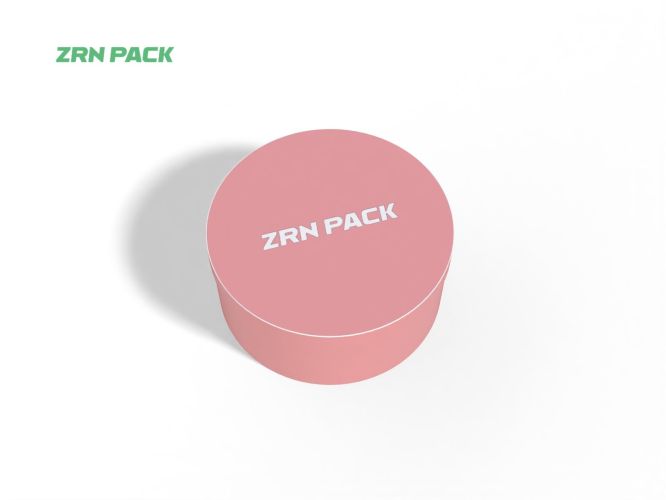
Choosing two piece boxes for global shipping can feel like speed‑dating with cardboard—too many sizes, mystery materials, and zero clues which one won’t collapse halfway to customs.
This 2026 guide explains box types, pricing, and certifications, backed by ISO packaging standards, so you can order wholesale with confidence and fewer packaging disasters.
📦 Overview of two piece boxes and 2026 global market trends
Two piece boxes, also called lid-and-base boxes, lead premium packaging in beauty, food, electronics, and gifts. Global buyers will see faster custom, eco, and smart-packaging growth by 2026.
Brands now use two piece boxes to raise perceived value, support e‑commerce shipping, and improve unboxing. Wholesale buyers should plan long-term specs, regional compliance, and stable supply.
1. Main applications across industries
Two piece boxes work for luxury, food, and seasonal promotions. Buyers can standardize base sizes while changing lids, prints, and inserts per campaign.
- Cosmetics and skincare gift sets
- Jewelry, watches, and accessories
- Electronics and premium gadgets
- Bakery, chocolate, and festive food boxes
- Limited-edition and influencer kits
2. 2026 demand hotspots and buyer priorities
By 2026, fastest growth will come from North America, Europe, and Southeast Asia, with buyers focusing on eco-materials, fast lead times, and stable color consistency.
| Region | Main Focus | Buyer Type |
|---|---|---|
| North America | Brand image, unboxing | DTC brands, subscription boxes |
| Europe | Sustainability, recycling | Retail chains, beauty brands |
| Asia-Pacific | Cost, speed, gifting culture | OEM, export traders |
3. Customization trends for global brands
Buyers now request short-run custom prints, mixed sizes per order, and special inserts. Data-driven packaging decisions reduce waste and improve conversion.
- Short-run digital printing for test launches
- QR codes for traceability and marketing
- Standardized bases, variable lids and sleeves
- Custom inserts for cross-selling sets
4. Price drivers in wholesale two piece box sourcing
Key price factors are paper grade, printing method, finish type, order quantity, and freight. Clear specs and stable forecasts lower total cost per unit.
- Material thickness and board type
- Number of print colors and varnishes
- Manual vs. semi-automatic assembly
- Carton size, packing, and shipping mode
🌍 Key materials, structures, and finishes for two piece boxes
Material choice affects strength, print quality, and cost. In 2026, most global buyers will favor rigid board boxes with eco inks and protective finishes.
Simple, proven structures and finishes reduce transit damage and protect your brand image across long cross-border journeys.
1. Core materials used in two piece boxes
Most wholesale projects use rigid greyboard wrapped with printed paper or kraft. Food projects need certified food-grade liners or inner bags.
| Material | Use Case | Pros |
|---|---|---|
| Rigid greyboard | Luxury sets | Strong, premium feel |
| Kraft paper | Eco, bakery | Natural look, recyclable |
| Duplex board | Mid-range gifts | Good print, lower cost |
2. Structures: lid-and-base options
Common structures include full-depth lids, partial lids, shoulder-neck boxes, and window designs. Buyers choose based on display needs and shipping risks.
- Full telescopic lid for strong protection
- Partial lid for easy opening and display
- Shoulder-neck for luxury cosmetics and jewelry
- Window cut-outs for bakery and snacks
3. Popular printing and surface finishes
Offset printing with matte or gloss lamination remains dominant. Spot UV, foil, and embossing build stronger shelf impact for global retail buyers.
- Offset CMYK printing for rich color
- Matte or gloss lamination for protection
- Foil stamping for logos and borders
- Embossing or debossing for texture
4. Data view: finish preferences by buyer segment
Use the chart below to see a simple projection of finish preferences among major buyer groups in 2026.
🧪 Performance testing, durability standards, and quality control requirements
Reliable two piece boxes must pass strength, color, and safety checks. Global buyers should define test methods clearly in purchase contracts and drawings.
Consistent quality avoids returns, protects goods in transit, and keeps brand colors stable across multi-country markets.
1. Basic performance and transit testing
Standard tests include compression, drop, and humidity checks to ensure two piece boxes survive long shipping and warehouse storage.
- Box compression and stacking tests
- Drop tests at different angles
- Humidity and temperature cycling
2. Quality control checkpoints in production
Professional factories run QC before printing, after printing, during mounting, and before packing. Buyers can request detailed inspection reports.
| Stage | Check Item |
|---|---|
| Pre-production | Material GSM, color proof |
| Printing | Color delta E, registration |
| Mounting | Glue strength, corners |
| Final | Size, surface, cleanliness |
3. Compliance and documentation for global buyers
Buyers should ask for material declarations, food-contact reports where needed, and clear traceability codes printed or stamped on cartons.
- Food-contact tests for bakery and snacks
- REACH / RoHS where relevant
- Lot numbers for traceability
♻️ Sustainable two piece box solutions and eco-certification considerations
Eco-friendly two piece boxes will dominate by 2026. Buyers can move to recycled fibers, soy inks, and plastic-free inserts without losing shelf appeal.
Certifications support retailer demands and corporate ESG goals while building consumer trust.
1. Key eco materials and design choices
Switch to FSC-certified board, high recycled content, and water-based coatings. Avoid complex mixed materials that are hard to recycle.
- FSC or PEFC certified paperboard
- Recycled kraft and natural fibers
- Plastic-free paper or pulp inserts
2. Eco labels and certifications to request
Retail buyers often ask for proof of responsible sourcing. Packaging suppliers can share certificates and test reports on request.
| Certificate | Main Focus |
|---|---|
| FSC | Responsible forestry |
| ISO 14001 | Environmental management |
| Food-grade reports | Safe food contact |
3. Reducing carbon and logistics impact
Engineers can optimize box sizes, nesting, and shipping cartons to cut freight volume and lower per-unit emissions without weakening the box.
- Right-size dimensions to product
- Shared tooling across SKUs
- Sea freight for stable, large orders
🏭 Why ZRN Packaging is a reliable long-term two piece box partner
ZRN Packaging focuses on custom two piece boxes with strong print control, food-grade options, and responsive service for global brands and importers.
They offer design support, sampling, and strict QC, making long-distance cooperation easier and more predictable.
1. Strong custom design and gift-box expertise
ZRN supports complex lid-and-base gift sets, custom inserts, and brand colors. The ZRN Custom Paper Packaging Base and Lid – Holiday Gift Set Box shows premium structure and print options.
2. Food-grade two piece packaging solutions
For bakery and festive foods, ZRN offers certified materials and safe inks. The ZRN Color Printing Christmas Gingerbread Man Cookie Packaging Box – Festive Food Grade Box and ZRN Eco-Friendly Bakery Kraft Cookie Boxes – Food Grade Custom Packaging are proven examples.
3. Export-ready processes and communication
ZRN works with clear drawings, pre-production samples, and export packing standards. English support and flexible MOQs help new and growing buyers.
Conclusion
Two piece boxes will stay a key tool for brand image, protection, and e‑commerce in 2026. Global buyers should define clear specs, testing rules, and eco goals before sourcing.
By partnering with an export-focused producer like ZRN Packaging, importers can secure stable quality, lower risk, and support long-term packaging strategies worldwide.
Frequently Asked Questions about two piece boxes wholesale
1. What is the usual MOQ for custom two piece boxes?
Many factories start from 1,000–3,000 pieces per size and design. Digital printing or shared tooling can sometimes support lower test runs.
2. How long is the normal lead time for bulk orders?
After artwork approval, standard production often takes 15–25 days, plus shipping time. Peak holiday seasons may require earlier booking.
3. Which file formats are best for artwork?
Vector files such as AI, PDF, or EPS are best for sharp logos and text. Designers should also provide Pantone codes for key brand colors.
4. Can two piece boxes be fully recyclable?
Yes. Choose mono-material paperboard, avoid plastic windows, and use water-based coatings and glues. Ask your supplier to confirm local recycling suitability.
5. How can I reduce shipping damage for heavy products?
Use thicker board, tight inserts, and stronger outer cartons. Request drop and compression tests before mass production to verify performance.

ZRN Packaging - Byron Lin
Meet Byron Lin, our Senior Packaging Specialist.