
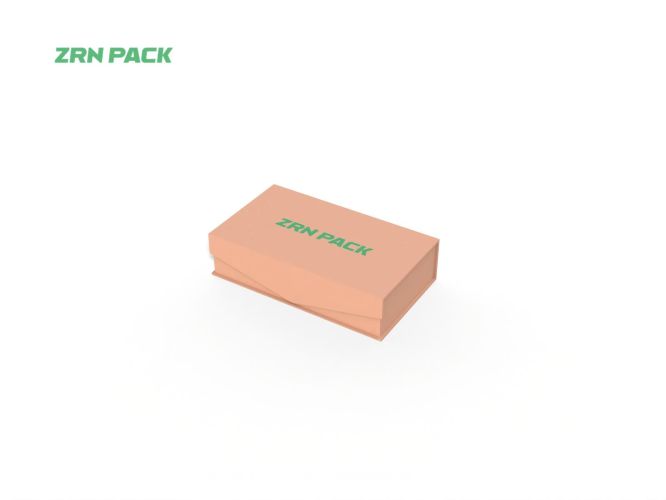
Tired of gift boxes that snap shut like tiny bear traps, threatening fingers and credit cards alike? Magnetic closures look fancy, but you secretly wonder if they’re safe, or just stylish little hazards waiting to strike.
This white paper explains how magnetic closure packaging can stay safe, certified, and user-friendly, backed by standards like the EU’s toy magnet rules in Directive 2009/48/EC, so your boxes click, not injure.
1. 📦 Regulatory Standards and Compliance Requirements for Magnetic Closure Packaging Safety
Magnetic closure packaging must follow strict global safety standards. Clear rules for magnet strength, attachment, and labeling help protect children, users, and supply chain workers.
Brands that export luxury boxes, wine boxes, and gift packaging should align designs with regional laws to avoid recalls, fines, and damaged reputations.
1.1 Global and Regional Safety Standards
Key regulations focus on magnet size, flux, and how securely magnets stay in the packaging even under stress and repeated openings.
- ISO guidelines for packaging durability and safety
- EU EN 71 and REACH for toys and chemical limits
- US CPSIA and ASTM F963 for small parts and magnets
1.2 Age-Grading and Warning Labels
Clear age labels and warnings reduce risk when magnetic boxes may reach children. Warnings must meet legal size and visibility rules.
| Label Type | Purpose |
|---|---|
| Choking hazard | Alerts about small parts or loose magnets |
| Age grading | Guides safe use context (e.g., 14+) |
| Recycling icons | Supports safe disposal |
1.3 Supplier Audits and Documentation
Brands should audit factories, review test reports, and keep traceable records for magnets, adhesives, and boards used in rigid boxes.
- Signed compliance declarations
- Third-party lab test reports
- Material safety data and batch tracking
1.4 Case Compliance for Luxury Packaging
Premium solutions like Custom Luxury Double Door Rigid Paper Boxes show how strong magnets and safe linings can meet both luxury and compliance goals.
2. 🧲 Design Principles Minimizing Magnetic Pinch, Choking, and Ingestion Risks
Thoughtful structure design can prevent trapped fingers, loose magnets, and small parts that may break off and cause choking or ingestion.
Engineers should blend user comfort, safety gaps, and robust magnet seating into every custom magnetic packaging concept.
2.1 Safe Magnet Housing and Encapsulation
Magnets should sit deep in cavities and be fully sealed by board, glue, and lining paper to avoid exposure during normal use.
- Use double-layer boards at magnet areas
- Apply high-strength adhesives with curing time
- Seal with lining paper or fabric wraps
2.2 Pinch-Point Control in Lids and Doors
Hinges, doors, and covers must avoid sharp pinch zones. Designers can tune closing angles and magnet pull to stay user-friendly.
| Design Choice | Safety Effect |
|---|---|
| Soft-close structures | Slows lid movement |
| Finger cut-outs | Supports safe opening |
| Wider hinge gaps | Reduces pinch risk |
2.3 Size and Flux Limits for Child-Accessible Boxes
When boxes may reach homes with children, magnets should be large enough not to be swallowed and have controlled flux levels.
- Avoid tiny disc magnets in exposed spots
- Test separation force versus ease of use
- Follow toy and childcare guidelines when relevant
2.4 Data-Driven Optimization of Magnetic Strength
Data helps balance secure closure with safe opening forces. The chart below shows how different magnet strengths relate to user complaints.
3. 🧪 Testing Protocols and Certification Methods for Reliable Magnetic Packaging Performance
Structured testing verifies that magnets stay fixed, resist corrosion, and keep safe pull forces over the packaging life cycle.
Independent certifications improve trust for premium gift, wine, and retail packaging projects using magnetic closures.
3.1 Mechanical Durability and Drop Testing
Drop, vibration, and fatigue tests check whether magnets loosen after transport, stacking, or repeated opening and closing.
- Cycle opening tests (e.g., 5,000 cycles)
- Multi-angle drop tests with loaded boxes
- Compression tests for pallet stacking
3.2 Magnetic Pull and Alignment Measurements
Engineers measure pull force with gauges and confirm that lid and base magnets align, giving smooth closure without shock or misfit.
| Check Item | Target |
|---|---|
| Pull force | Enough to hold, easy to open |
| Gap tolerance | Even seams, no twist |
| Shift after test | No visible movement |
3.3 Third-Party Certification and Traceability
Verified labs issue reports on magnet safety, adhesives, and board quality. Traceable lot numbers link each box run to tested materials.
4. 🛡️ Material Selection, Corrosion Resistance, and Long-Term Magnet Safety Considerations
Right magnet grade, coating, and board combination keep closures safe under humidity, sweat, and long-term storage.
Luxury boxes must protect both the product and the user across years of use and display.
4.1 Magnet Types and Coatings
Neodymium magnets need effective coatings to combat rust, while ferrite offers lower strength but high natural corrosion resistance.
| Magnet Type | Key Traits |
|---|---|
| Neodymium | High strength, needs plating |
| Ferrite | Lower cost, rust resistant |
4.2 Board, Lining, and Adhesive Compatibility
Rigid board, wrapping paper, and glue must work together so magnets stay bonded and do not stain or warp the surface over time.
- Use low-VOC, high-strength adhesives
- Pick boards with stable moisture content
- Test for glue bleed-through under heat
4.3 Environmental and Life-Cycle Testing
Accelerated aging chambers, humidity tests, and salt spray checks reveal how magnets and coatings perform after years in real conditions.
5. 🏭 Best Practices from ZRN Packaging for Safe Magnetic Closure Implementation
ZRN Packaging combines strict material control, skilled handwork, and automated checks to deliver secure and user-friendly magnetic packaging.
From gift boxes to wine and cosmetics, each project follows structured safety and quality steps.
5.1 Integrated Design with Safety Reviews
ZRN teams review every dieline to place magnets safely, avoid pinch points, and balance closure strength with a smooth user experience.
- Early risk review during structure design
- Prototype testing before mass production
- Client feedback loops for fine tuning
5.2 Product Examples Reflecting Safety Focus
Solutions like the ZRN Customized Luxury Happy Birthday Magnetic Gift Box – Premium Packaging show tight magnet encapsulation, clean seams, and child-aware labeling where needed.
5.3 Controlled Production and Final Inspection
Each run, from Custom Magnetic Wine Gift Boxes with Logo | Rigid Wholesale Packaging to cosmetic sets, follows standard work instructions and final checks for magnet hold and alignment.
Conclusion
Magnetic closure packaging can be both luxurious and safe when brands follow clear standards, strong design rules, and strict testing routines.
By selecting suitable magnets, coatings, and boards, and working with reliable partners, companies protect users while boosting product value and brand trust.
Frequently Asked Questions about custom boxes magnetic
1. Are magnetic closure boxes safe for children?
They can be safe when magnets are fully sealed, sized correctly, and tested to child safety standards. Always keep luxury gift boxes out of unsupervised play areas.
2. Will strong magnets damage electronic devices?
Most packaging magnets are weak and sit away from devices, so risk is low. Still, avoid pressing boxes directly against sensitive cards or hard drives.
3. How long do magnets in custom boxes last?
With proper coatings and quality boards, magnets usually keep useful strength for many years, even with frequent opening and closing.
4. Can magnetic gift boxes be recycled?
Yes. In most cases, you can remove magnets before recycling the paper parts. Some recycling centers accept boxes with small embedded magnets.
5. What should I ask a supplier about magnetic box safety?
Request test reports, details on magnet type and coating, information on adhesives, and proof of compliance with regional safety standards.

ZRN Packaging - Byron Lin
Meet Byron Lin, our Senior Packaging Specialist.