
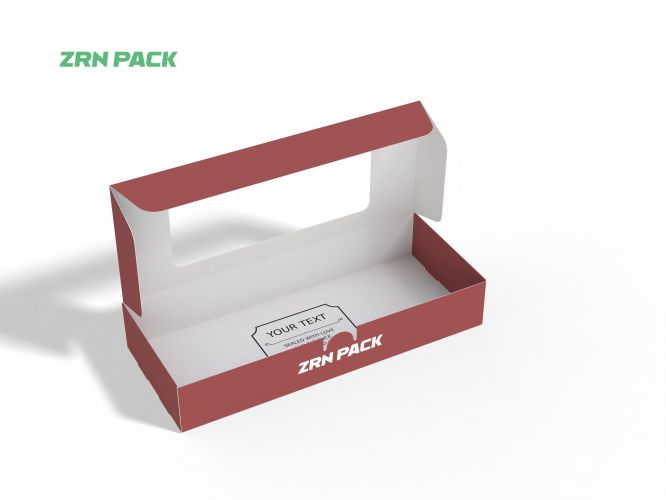
Your storage room looks like a cardboard jungle, shipping costs bite your budget, and every “luxury” box eats more space than your office plant collection—collapsible rigid boxes suddenly sound like the superhero packaging you forgot to hire.
By switching to collapsible rigid box designs, you cut shipping volume, free warehouse space, and keep that premium unboxing feel—backed by data from this McKinsey packaging sustainability report.
📦 Evolution of Collapsible Rigid Box Structures in Modern Packaging Design
Collapsible rigid boxes have moved from niche luxury use to mainstream packaging. Brands now use them to save space, show value, and support sustainable shipping.
Modern designs blend strong boards, smart folds, and premium finishes, giving products a luxury look while cutting storage and freight costs across global markets.
1. From Fixed Gift Boxes to Smart Folding Systems
Traditional rigid boxes shipped fully assembled and bulky. New fold-flat structures lock quickly, protect products well, and lower warehouse and transport volume.
2. Material Innovation and Hybrid Structures
Engineers now combine greyboard, specialty paper, and magnetic or ribbon closures. This mix gives strong walls, quick setup, and smooth branding surfaces.
- Reinforced corners resist crush in transit.
- Hidden magnets keep the box closed securely.
- Laminated paper improves print and moisture resistance.
3. Custom Shapes for Omnichannel Retail
Collapsible rigid boxes now support food, tissue, and e‑commerce. Designs align with shelf display, unboxing videos, and home storage needs.
- Custom Rectangular Paper Food Packaging Boxes with PVC Window
- ZRN Easy Design Custom Kraft Paper Tissue Box with Window – Packaging Box
- Custom Various Shapes Foldable Pizza Box
4. Design for Fast Assembly and Return Logistics
Modern layouts favor tool‑free setup and easy refolding. This supports fast packing, reverse logistics, and re‑use for returns or seasonal products.
🧩 Key Engineering Principles Behind Stable Yet Foldable Rigid Boxes
Engineering teams balance rigidity and foldability through board selection, joint design, and locking systems that stay strong during shipping yet fold flat when empty.
Finite element testing, drop tests, and crease optimization help ensure the structure handles repeated folding without cracking or losing alignment.
1. Board Caliper, Grain Direction, and Strength
Engineers pick board thickness and grain direction to control stiffness, fold behavior, and edge strength while keeping overall weight as low as possible.
| Board Caliper | Use Case | Benefit |
|---|---|---|
| 1.5–2 mm | Light gifts | Lower weight |
| 2–2.5 mm | Standard retail | Balanced strength |
| 2.5–3 mm | Premium, heavy | High rigidity |
2. Hinge, Crease, and Magnet Layout
Score lines and fabric or paper hinges guide clean folds. Magnet and ribbon placement keeps the lid aligned and prevents accidental opening in transit.
3. Locking Panels and Internal Supports
Auto‑lock bases, side wings, and inserts share load and resist crush. This keeps fragile items stable while allowing fast hand assembly.
4. Data‑Driven Performance Optimization
Teams use test data to refine designs. Key metrics include compression strength, fold cycles, and assembly time across production batches.
🌱 Sustainability Advantages of Collapsible Rigid Boxes in Global Supply Chains
Collapsible rigid boxes cut material waste, shipping volume, and carbon output while improving reuse potential and recyclability across regional and global supply chains.
Brands gain clear ESG benefits and can document measurable CO₂ savings per shipped unit by switching from fixed rigid formats.
1. Lower Carbon and Resource Use
Fold‑flat shipping reduces truckloads, fuel use, and emissions. Optimized board grades also limit raw material use without sacrificing protection.
- Up to 60–80% storage space reduction.
- Fewer pallets per thousand boxes.
- Less secondary packaging material.
2. Reuse and End‑of‑Life Management
Strong boards and attractive finishes encourage consumers to reuse boxes before finally recycling them through regular paper streams.
3. Compliance with Global Green Standards
Designs can align with FSC, REACH, and retailer packaging rules, helping brands meet internal and customer sustainability targets.
🚚 Logistics Efficiency: Reducing Storage Volume and Freight Costs with Collapsible Designs
Collapsible rigid boxes ship and store flat, allowing brands to lower warehouse space, optimize pallet patterns, and reduce inbound and outbound freight costs.
This leads to leaner operations and better response times during promotions or seasonal peaks.
1. Pallet Density and Warehouse Utilization
Fold‑flat formats let operators store many more units per pallet and shelf bay, freeing space for higher‑value inventory.
| Box Type | Units / Pallet |
|---|---|
| Fixed Rigid | 500–700 |
| Collapsible | 1,800–2,500 |
2. Freight Cost Savings
Higher fill rates cut the cost per box moved. Brands often see strong payback, especially on long‑distance or cross‑border shipping lanes.
3. Faster Fulfillment and Co‑Packing
Flat packs are easy to handle. Teams can erect boxes on demand near the filling line, lowering damage risk and speeding order turns.
🏭 Implementing Collapsible Rigid Boxes in Manufacturing: Why Choose ZRN Packaging
ZRN Packaging combines structural design, printing, and mass production to deliver reliable collapsible rigid boxes that align with brand and supply chain needs.
The company supports trials, testing, and phased rollouts so teams can switch from fixed to collapsible formats with low risk.
1. Integrated Structural and Graphic Design
ZRN engineers and designers work together to balance branding, strength, and fold performance across all SKUs in a packaging program.
- 3D mockups and prototypes.
- Fit checks with real products.
- Guides for assembly and training.
2. Scalable, Quality‑Controlled Production
Standardized processes, inspection, and testing keep color, size, and folding behavior consistent from pilot runs to large global orders.
3. Application‑Specific Solutions
ZRN supports food, tissue, and pizza formats, plus many other categories, with tailored structures, inserts, and finishing options.
Conclusion
Collapsible rigid boxes bring luxury shelf impact together with lean logistics. They lower space, freight, and carbon while protecting products and delighting customers.
By working with partners like ZRN Packaging, brands can turn these innovations into real value across design, operations, and sustainability programs.
Frequently Asked Questions about collapsible rigid box
1. What is a collapsible rigid box?
A collapsible rigid box is a strong paperboard box that folds flat for shipping and storage but assembles into a sturdy, premium package.
2. Are collapsible rigid boxes as strong as fixed rigid boxes?
When engineered well, they offer similar compression and drop performance, using reinforced corners, smart hinges, and locking panels.
3. Can collapsible rigid boxes be fully recycled?
Most designs use paperboard and paper wraps that fit standard recycling streams. Magnets and ribbons can be removed where required.
4. Do they cost more than standard rigid boxes?
Unit prices can be similar or slightly higher, but total cost usually falls thanks to big savings in freight, storage, and handling.
5. Which products are best suited for collapsible rigid boxes?
They work well for gifts, cosmetics, electronics, premium food, and subscription boxes where both brand impact and logistics efficiency matter.

ZRN Packaging - Byron Lin
Meet Byron Lin, our Senior Packaging Specialist.