
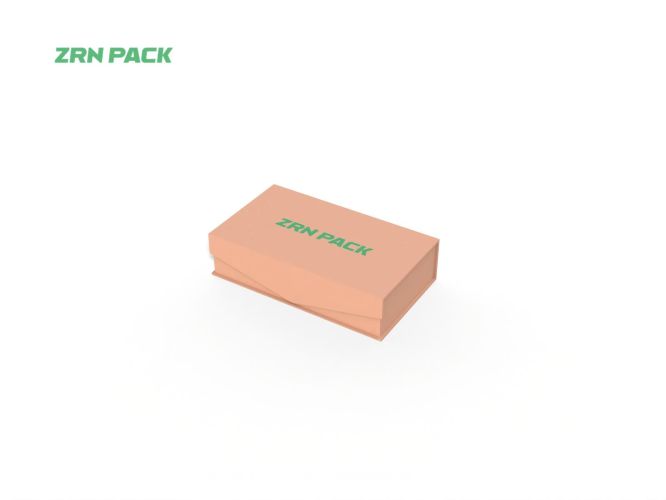
Your magnet packaging budget is clinging to your profits like a fridge magnet to steel, and every time you think you’ve cut costs, another “must‑have” feature sticks itself onto the quote.
Use smart, custom magnetic packaging that reduces material waste and shipping weight, while keeping performance high, as shown in this McKinsey packaging cost report.
📦 Material Choices That Lower Costs Without Sacrificing Magnetic Closure Strength
Smart material choices help you cut packaging costs while keeping magnetic closures strong, secure, and premium. Focus on core board density, paper type, and lamination.
This balance lets brands shift budget from packaging waste to real customer value, such as better printing, stronger magnets, or upgraded unboxing design.
1. Use Lightweight but Strong Greyboard
Choose mid-density greyboard instead of extra-thick board. It protects products, supports magnets, and lowers material and shipping costs without hurting box strength.
- Ideal for most cosmetics and gifts
- Holds standard and slim magnets well
- Reduces weight-based freight fees
2. Switch to Coated Art Paper for Wraps
Coated art paper gives smooth printing at a lower cost than specialty papers. You still get sharp logos and clear colors for retail display.
- Works well with spot UV or foil
- Great for Custom Magnetic Wine Gift Boxes with Logo | Rigid Wholesale Packaging
- Easy to cut and wrap on rigid boxes
3. Choose PET or Matte Lamination for Durability
Basic matte or gloss lamination protects the box from scratches and stains. It extends box life without the cost of complex coatings.
- Works well for e-commerce packaging
- Helps avoid color fading in transit
4. Right-Size Magnet Grade and Quantity
Use magnet strength that fits box size and product weight. Fewer, smaller magnets often provide enough hold for most retail uses.
| Box Size | Recommended Magnets |
|---|---|
| Small | 1–2 slim magnets |
| Medium | 2 standard magnets |
| Large | 2–3 stronger magnets |
🧲 Structural Design Tweaks That Reduce Waste in Custom Magnetic Boxes
Simple structure changes can cut paper offcuts, glue use, and assembly time. This lowers cost per unit while keeping your branding clean and modern.
Teams can reuse proven dielines across product lines to speed sampling, improve consistency, and further reduce production waste and setup time.
1. Standardize Dielines Across Product Lines
Use one or two core magnetic box layouts for many SKUs. This lowers tooling cost and reduces board offcuts during production.
- Shared height and width for sets
- Different inserts for product changes
2. Simplify Closure Flaps and Panels
Clean flap shapes require less cutting and gluing. Your magnetic closure still feels premium, but assembly becomes faster and cheaper.
- Avoid complex curves
- Limit layered panels
3. Use Fold-Flat Magnetic Structures
Folding designs save space in shipping and storage. They also cut freight costs and reduce damage risk before final assembly.
Explore designs like Custom Luxury Book-Shaped Magnetic Rigid Boxes for compact, cost-efficient delivery.
4. Data-Guided Reduction in Board Usage
Analyze material usage by box size to find waste. Even small board reductions across large runs lead to big savings over time.
📐 Optimizing Box Dimensions to Cut Shipping and Storage Expenses
Carefully planned outer sizes reduce freight, warehousing, and inner carton costs. Well-fitting custom magnetic boxes ship safer and stack more efficiently.
1. Match Box Size to Carrier Price Brackets
Design dimensions to stay under key volumetric weight limits. This simple step can cut long-distance shipping costs for export orders.
- Check main courier size tiers
- Test with actual packed samples
2. Maximize Carton Packing Density
Plan magnetic box sizes so they fit neatly into master cartons. You use fewer cartons and reduce pallet and container space.
| Box Size | Units per Carton |
|---|---|
| 20 × 15 × 5 cm | 40 |
| 30 × 20 × 7 cm | 24 |
3. Design for Shelf and Warehouse Racking
Use consistent heights and depths for easier stacking in stores and warehouses. This improves handling and reduces damage risks.
- Align with standard shelf depths
- Use clear side printing for SKU ID
🔄 Using Recyclable Inserts for Secure, Budget-Friendly Magnetic Packaging
Recyclable inserts protect products, support the brand story, and keep costs in line with market expectations for eco packaging.
1. Die-Cut Paperboard Inserts Instead of Foam
Switch to strong paperboard inserts where possible. They are cheaper than foam, easier to recycle, and still hold products firmly.
- Best for beauty sets and small gadgets
- Allows flat shipping when designed smartly
2. Molded Pulp for Heavier or Fragile Items
Molded pulp can replace plastic trays for heavier goods. It offers strong shock absorption and a natural, eco-focused look.
| Insert Type | Best Use |
|---|---|
| Paperboard | Light products |
| Molded Pulp | Fragile glass or electronics |
3. Modular Inserts for Product Families
Design insert sets that work across multiple SKUs. You cut tooling costs and speed up changes when product sizes shift.
- Shared cavity shapes
- Extra pads to adjust fit
🏭 Partnering With ZRN Packaging for Efficient, Scalable Custom Magnetic Solutions
ZRN Packaging offers cost-focused engineering, smart materials, and flexible production, helping brands scale custom magnetic packaging without losing quality.
1. Engineering Support from Sampling to Mass Production
Work with structural experts who test closure strength, insert fit, and shipping safety before final approval, minimizing costly redesigns.
- 3D drawing support
- Rapid pre-production samples
2. Flexible Production for Multi-SKU Launches
Scale fast with mixed-size orders and shared components. This supports seasonal sets and new launches without large inventory risk.
- Batch runs for test markets
- Color or logo changes on base structures
3. Premium Rigid Options for Flagship Products
For high-end lines, ZRN delivers advanced structures like Custom Luxury Double Door Rigid Paper Boxes with strong magnets and precise printing at scale.
- Ideal for luxury gifting
- Supports foil, embossing, and custom inserts
Conclusion
Cost-effective custom magnetic packaging comes from smart planning, not cheap shortcuts. Brand teams can save money by optimizing materials, structure, and size together.
When you add recyclable inserts and smart production with a partner like ZRN Packaging, you gain premium unboxing, strong magnets, and lower total packaging costs.
Frequently Asked Questions about custom printed magnetic boxes
1. Are custom magnetic boxes expensive compared with regular rigid boxes?
They can cost slightly more because of magnets and extra labor. However, with optimized board thickness, shared inserts, and smart sizing, the cost gap often becomes quite small.
2. How strong are the magnetic closures for heavy products?
Closure strength depends on magnet grade, size, and placement. Engineers select magnet types based on product weight and box size to keep lids secure in transit.
3. Can magnetic gift boxes be fully recyclable?
Most of the box is recyclable paper. Magnets and small metal parts can be removed. Using paperboard or pulp inserts instead of foam improves recyclability greatly.
4. What is the usual lead time for custom magnetic packaging?
Lead time is often 15–30 days after sample approval, depending on order size and printing complexity. Peak seasons may require earlier booking.
5. What information do I need to start a custom magnetic box project?
You should prepare product sizes, target box size, artwork, budget range, and order quantity. Sharing shipping plans helps engineers design more cost-effective structures.

ZRN Packaging - Byron Lin
Meet Byron Lin, our Senior Packaging Specialist.